Table of contents
What this thing is
It’s really hard to pick a single angle on this book. At first I wanted to sum it up as “A bore who whines that things used to be better, even though he works at Microsoft in the 90s”. Something like that. But he’s not really a bore. The original says “geek” everywhere, while the Russian edition translates it as “zanuda” - basically “a bore”. I much prefer “zadrot”1. Just like “geek”, it has a negative edge to it - only a much sharper and more accurate one than “bore”.
Fuck it, since we’re already on translation problems, let me rant. This is one of the worst translations I’ve ever come across. If you decide to read the book, go with the original2. And I don’t mean a pile of mistakes, typos or anything like that. No. It was clearly translated by someone who isn’t exactly on first-name terms with IT jargon. You get weird stuff like “writing codes”3, plus a bunch of other things my brain has actively blocked out4. And it pulls you out of the story way too often. Then again, maybe it’s just my inner geek/zadrot refusing to be downgraded to a mere “bore”. Or maybe that’s just where the whole point gets lost for me.
And the point is simple - searching for meaning and searching for yourself.
The plot goes roughly like this: the main character, Dan, works as a tester at Microsoft. His coworkers and/or friends:
-
a weird programmer (she)
-
a genius dev who, starting from chapter one, only eats “flat” food
-
a programmer who starts her own women’s movement
-
a bodybuilder dev
-
another developer - a bodybuilder too, and a woman this time
-
and plenty of others
They talk shop a lot and treat Bill as something close to a god. At some point they decide to move on and start their own company - “Oop!”5. The book never really tells you what it’s going to be, but it’s definitely something huge.
Sometimes the conversations take an almost surreal turn.
One of my favorite bits like that: in the middle of a discussion about the subconscious and what it even means, Dan creates a file called “Subconscious” and dumps random words into it. He does it to check whether he’s started thinking like a machine. Lots of chapters end with lists like this one6:
Space Needle 1962
Mattel
C+++++++++++silver lens sunglasses
Redmond
Schaumberg, III.
Interstate 80/287, NJ
Dallas Galleria/LBJ Fwy.
TorreyPines/UTC Sorrento Valley, Ca.
Metroplex/lrvine, Ca.
King of Prussia/Route 202
Tandy Corp., Fort Worth, Texas 76107
relentless… crispy…
fluids…
200 years from now
Ebola Reston
Marburg
Hepatitisnon-A/non-B
Ebola Zaire
Sabia
Michelangelo Machupo Rift Valley Hant
On the one hand, it’s a cool way to climb inside the head of a weird guy. On the other, it’s the author’s way of showing what a 90s person’s head was stuffed with.
Over the course of the book the characters change a lot: they get married, switch jobs, build their startup, come out, and a whole lot more. But most importantly, they find friends, work they actually care about, and new families. To me it read as a statement that no matter how weird you are, you can always find someone just as weird - and your own place in this world.
Covers
For some reason I also really wanted to talk about the covers I found while writing this review.
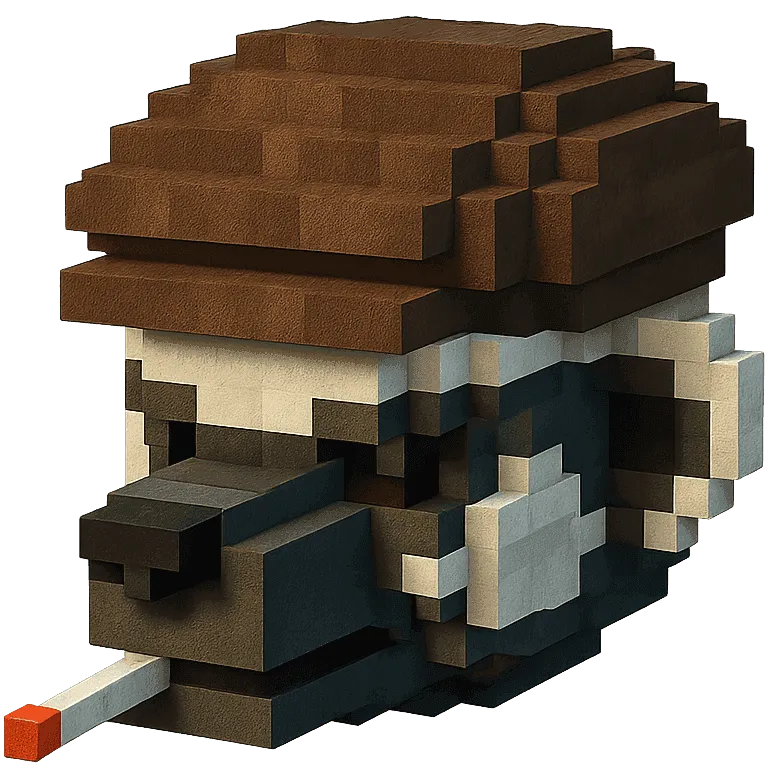
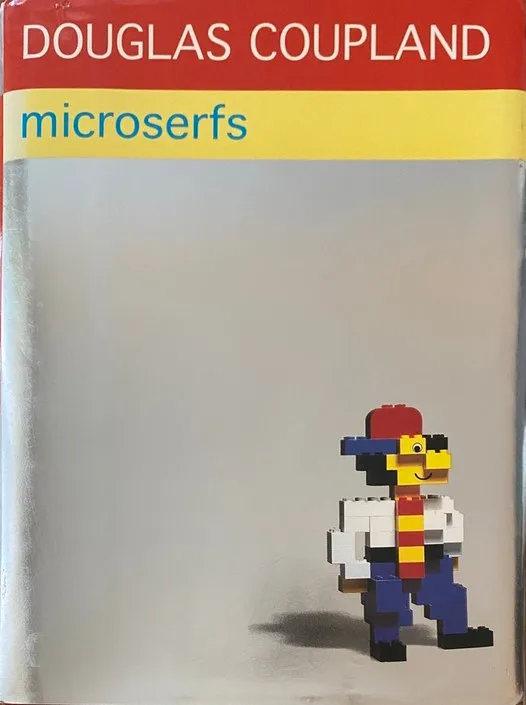
There’s the one at the top of this post. All the characters are big on Lego and talk about it constantly, so that cover is spot on.
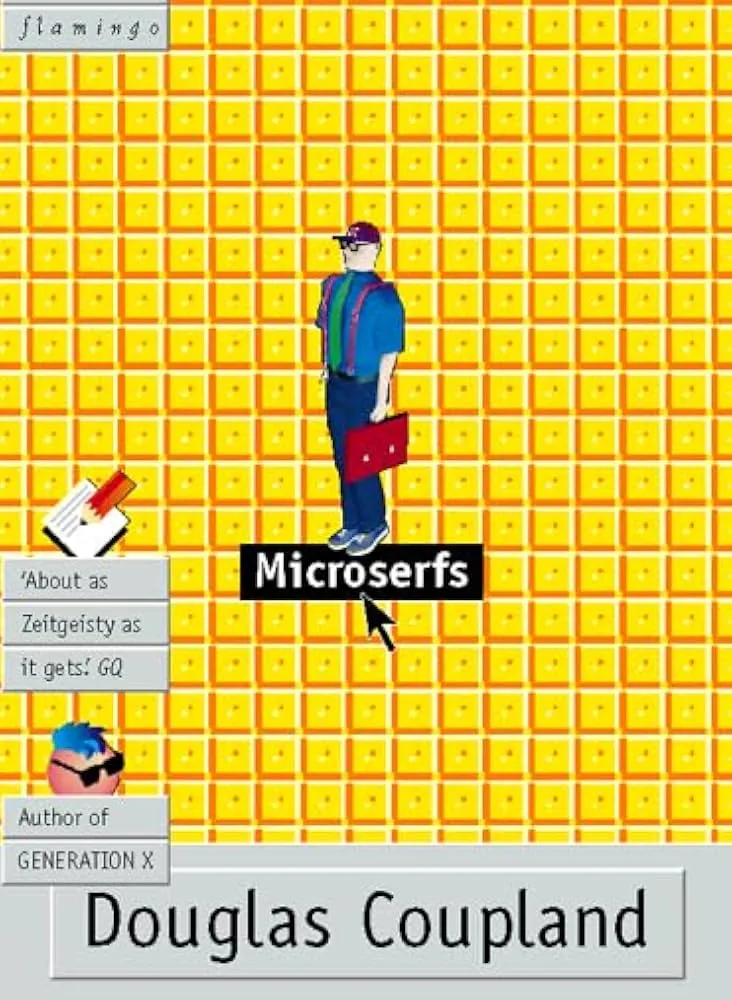
There’s this one, styled like an old desktop.
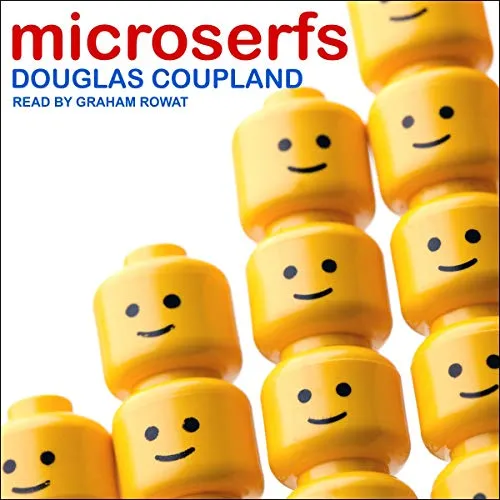
Another take on the Lego theme. This is the one I like least. Can’t explain why.
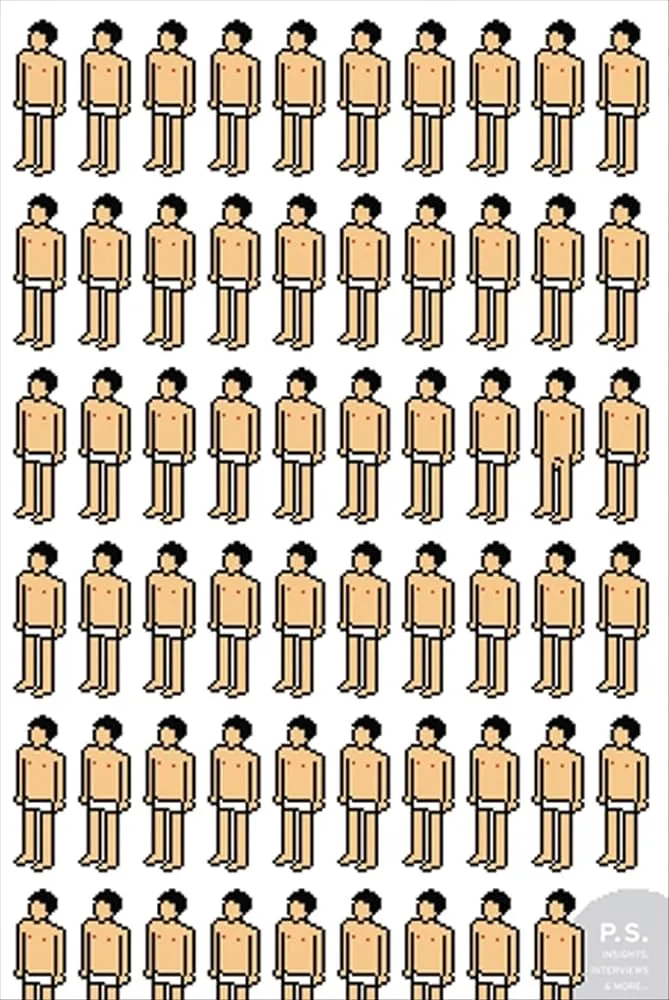
And finally, the weirdest one, which I don’t really get. And yet, on some vibe level, I kind of see why it exists.
Verdict
The book itself is written in an interesting way - as a blog. Before blogs were even a thing. The chapters are named after days of the week, a proper chronology, as if someone were typing it all into a computer - which is exactly what Dan does, and he often says so outright.
But don’t let that scare you off. Besides, if you’re reading this, you’re pretty much guaranteed to like it!
Take care of yourself and your loved ones!
Footnotes
-
“Zanuda” is a bore, a nitpicker, the guy who kills the mood. “Zadrot” is Russian internet slang for someone who obsessively grinds at one thing - games, code, whatever - and has no life outside of it. Somewhere between “no-lifer” and “try-hard”, and a lot ruder than either. Like “geek”, it’s a bit of an insult, but it hits much closer to home. ↩
-
Which, if you’re reading this in English, you probably will anyway. The Russian translation is just that bad. ↩
-
In Russian it’s “писать коды” - the exact same tell as “writing codes” in English. Nobody who actually writes code says that. ↩
-
Someday I’ll start writing these gems down, sorry. It’s just that at least a month passed between finishing the book and writing this post. ↩
-
As in object-oriented programming. For some reason I really liked that pun. ↩
-
This is my translation back from the Russian edition, so it’s not Coupland’s exact wording - grab the original for that. The random capital T in “InTerstate” comes straight from the Russian text, and I suspect some of the virus names got mangled along the way too. ↩